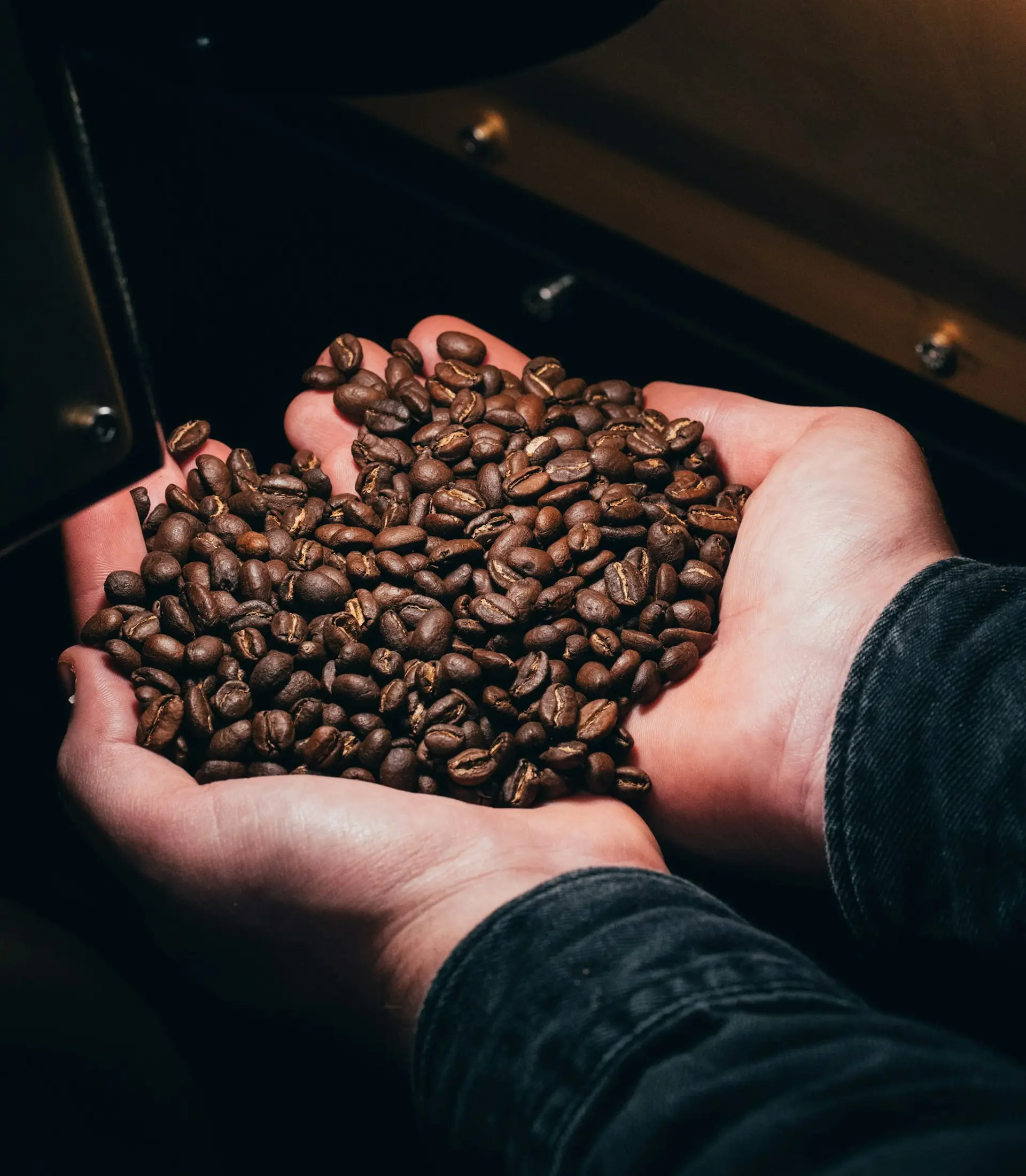
Our story
A cup slowed down, on purpose.
Nûr opened on a quiet stretch of street in 2019, built on a stubborn idea: that coffee deserves the same patience as anything else worth doing well. We were tired of rushed counters and burnt batches, so we built something slower — a roastery you can watch through glass, baristas who weigh every dose, mornings that don't hurry anyone along.
Every bag we pour begins two months earlier, at origin, in conversations with growers we visit ourselves — small holdings in Ethiopia, Colombia and Yemen, chosen for the character of a specific hillside rather than the size of a shipment. We buy in lots small enough to roast through in weeks, not pallets that sit in a warehouse for a year.
In our roastery, the same two roasters have worked the drum since we opened, tasting every batch before it's approved to pour. Beans rest for days after roasting, never weeks, so what reaches your cup is never far from the fire that made it. Behind the bar, that same care continues — every shot dialled in each morning, every pour-over timed by hand, nothing poured on autopilot.
None of this makes us the fastest café in Dubai, and we've made peace with that. We'd rather you wait the extra ninety seconds for a cup that tastes like where it came from.
Along the way
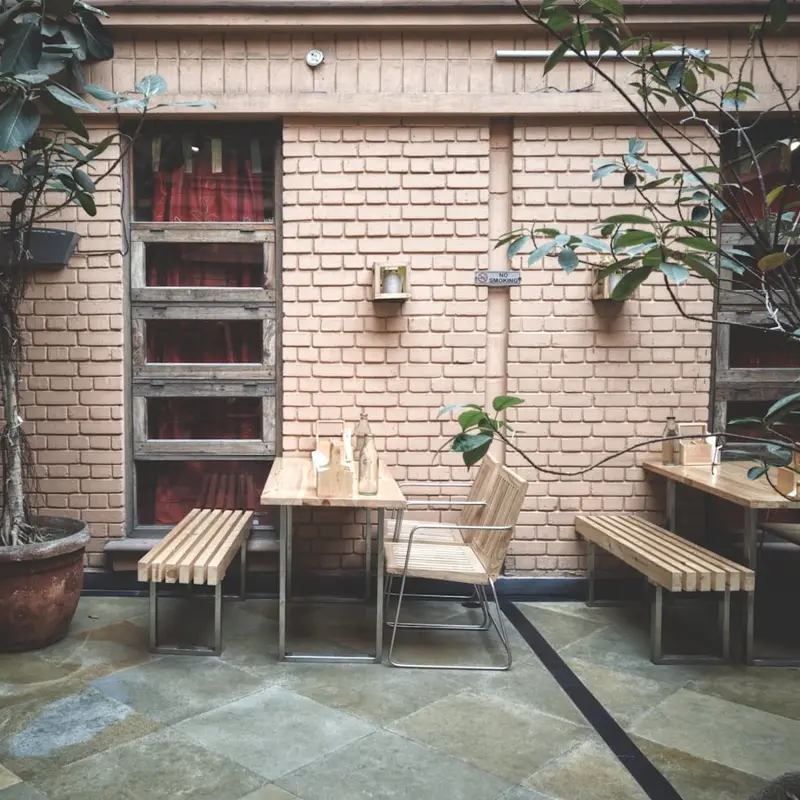
2019
Nûr opens its doors on a quiet Dubai side street.
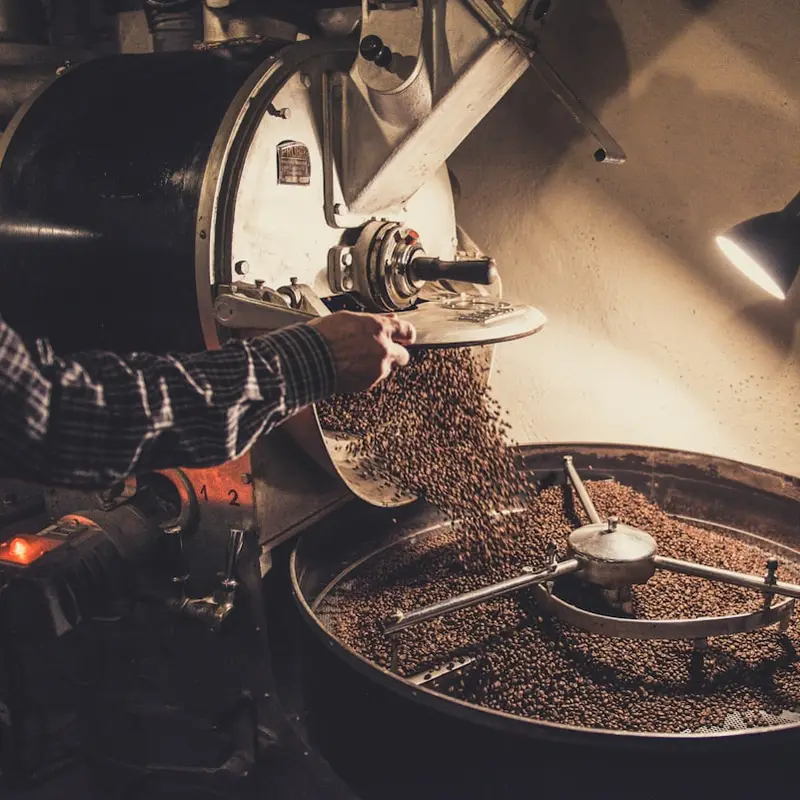
2021
Roasting moves in-house, three days a week.
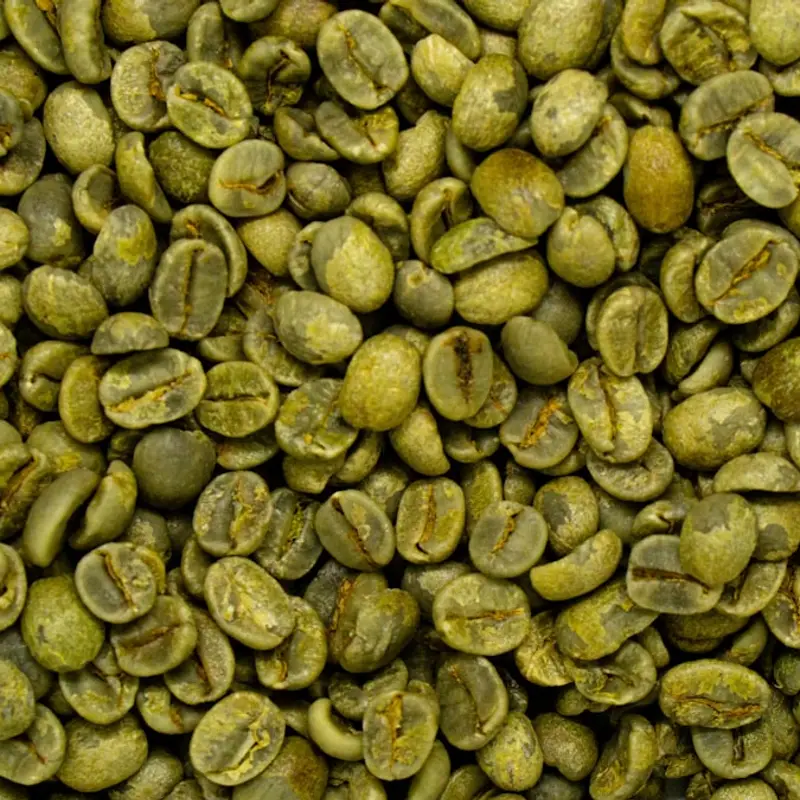
2024
A second roast day added to keep pace with the neighbourhood.
What we hold to
Three things we won't compromise on
Traceability
Every bag names the farm, the variety and the harvest — if we can't tell you where it grew, we don't buy it.
Small batches
We roast little and often, in quantities a roaster can taste through properly, not a warehouse can store.
Honest pours
No flavoured syrup pretending to be craft. What's in the cup is coffee, milk, water and time.
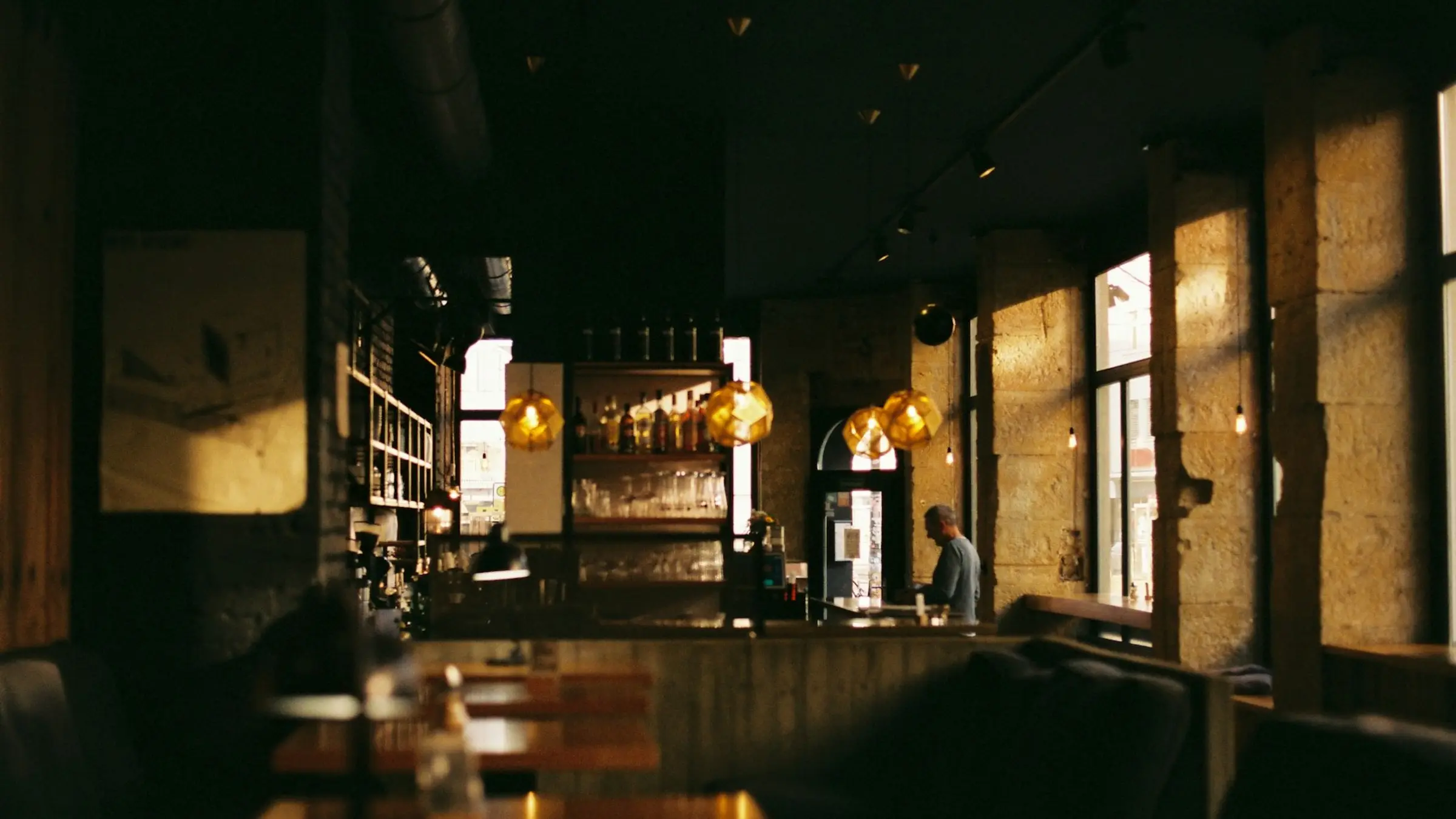
The roastery floor, most afternoons.
A note on sourcing
We work with three importers we've known for years, all committed to paying growers fairly above commodity price. It costs us more per kilo than buying blind at auction — we think that's rather the point.